Beginnings
The Computer That Started It All
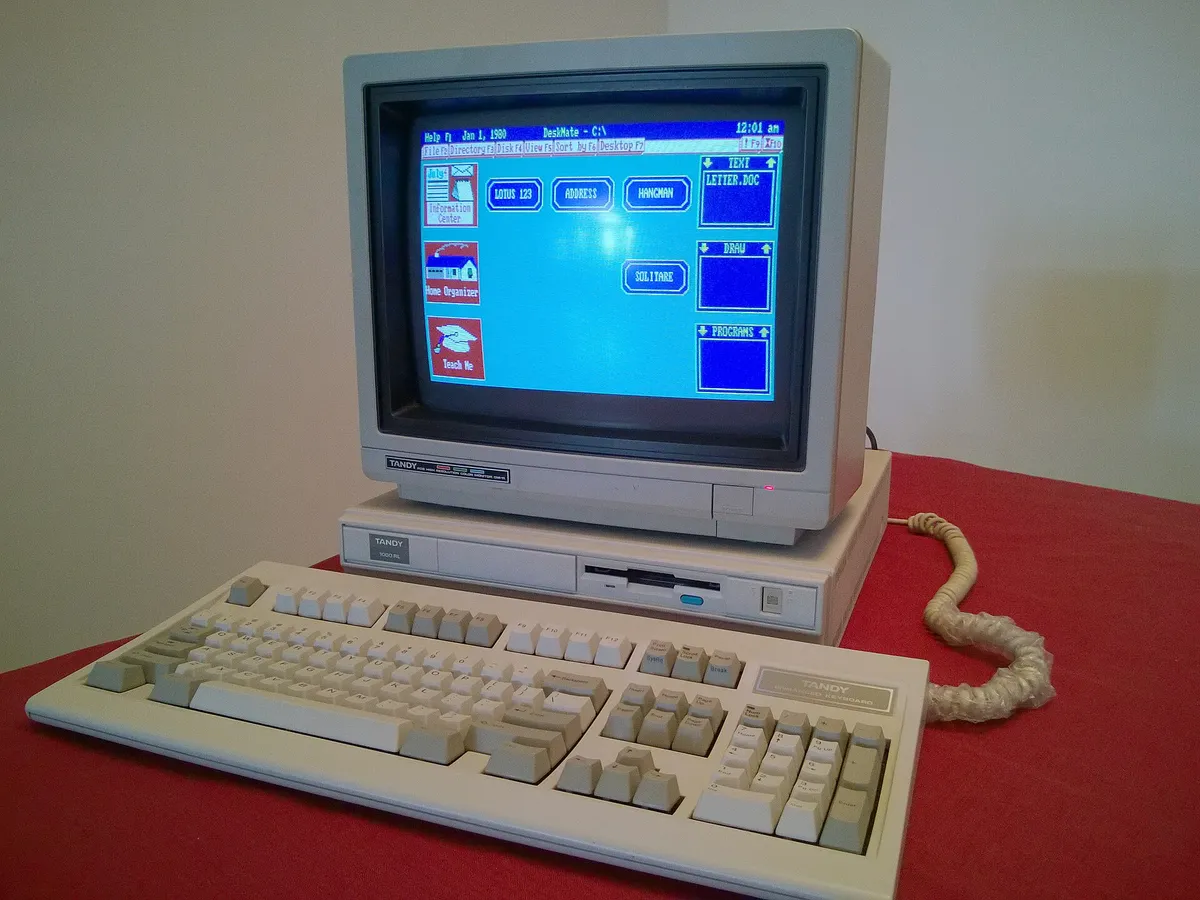
My first computer was a Tandy 1000 from Radio Shack. It was a Christmas gift from my family and it honestly was the best gift I've ever received.
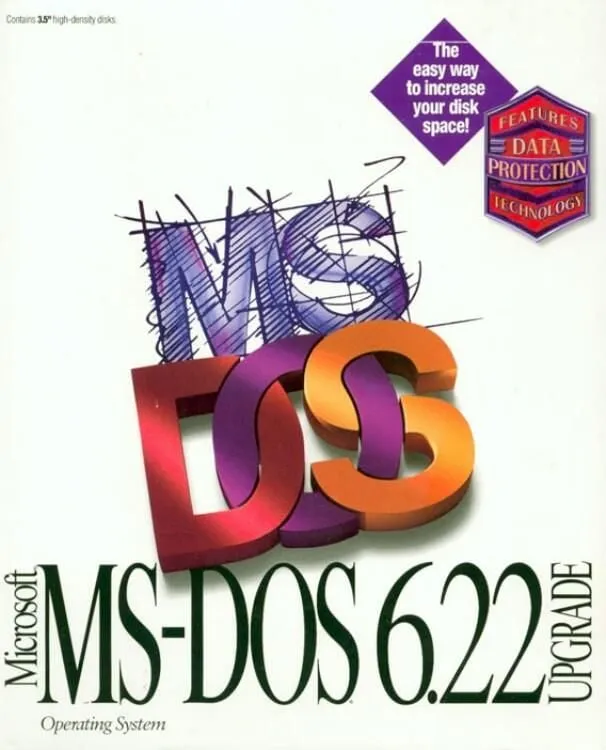
It gave me my first glimpse into the rabbit hole that is computing. Powerful enough to run MS-DOS 6.22, my first experience with an operating system was entrancing. The command line seemed to offer endless possibility.
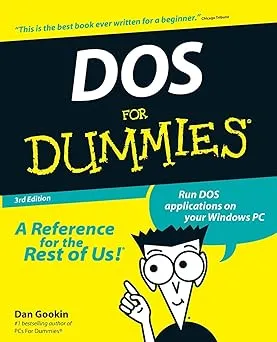
DOS for Dummies book in hand, I set out to learn everything I could about how the operating system worked. I memorized commands, explored directory structures, edited CONFIG.SYS and AUTOEXEC.BAT files. Those two files were where the real tinkering happened. Getting a game to run often meant editing them by hand — clawing back conventional memory under the infamous 640K barrier, loading drivers high with HIMEM.SYS and EMM386.EXE, switching between expanded (EMS) and extended (XMS) memory depending on what the title wanted, and coaxing the sound hardware into actually making noise.
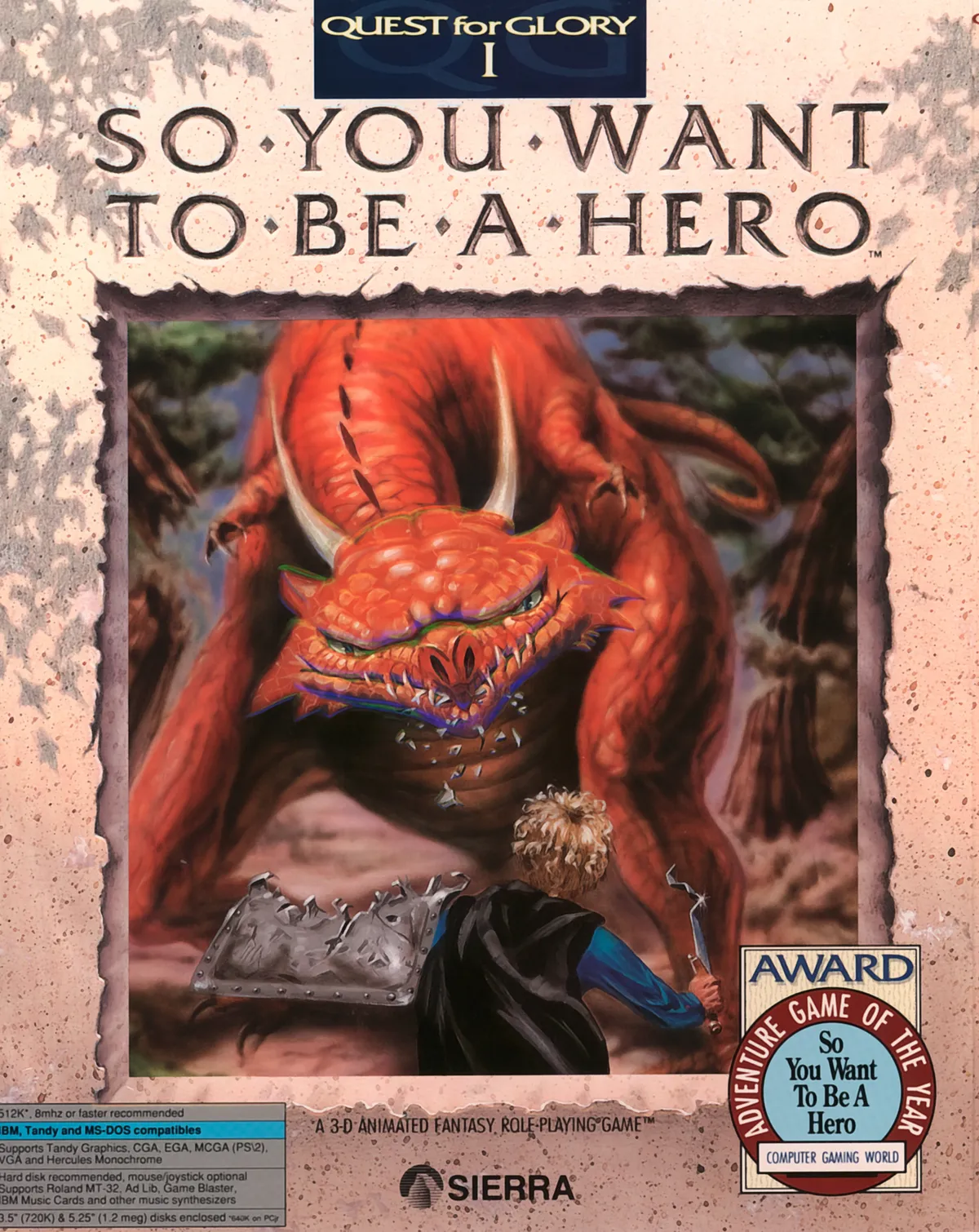
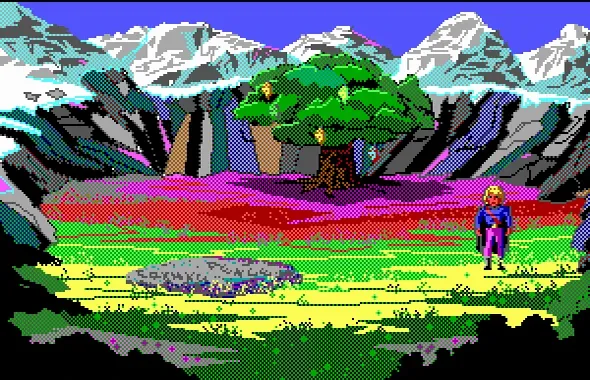
And even more importantly, it could run Quest for Glory I: So You Want to Be a Hero, a game that had you type in commands that would control the hero character. It was such a fun game and it was my first exposure to a character selection screen. I remember obsessing over the attribute points assignment :-) My favorite character was the thief
The artists created something magical with the EGA graphics and 8-bit music, Erana's Peace was an escape to another world.
The Library
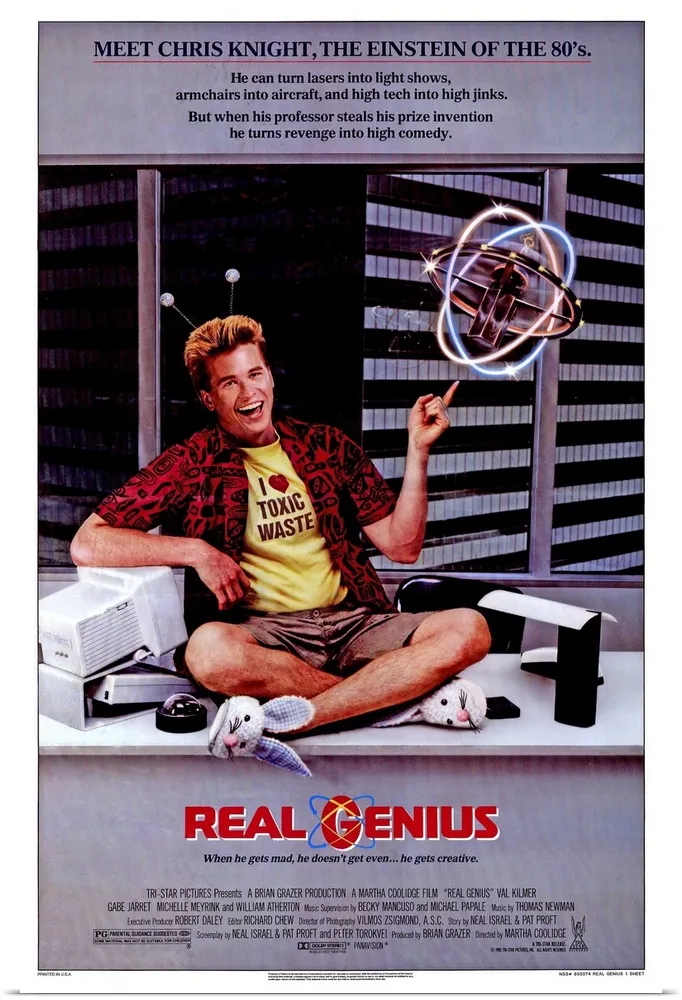
I spent a lot of time at the Atlantic City Free Public Library. It was my second home. I would check out books on all sorts of subjects, helping pique my curiosity and ultimately solidify my love for lifelong learning. The library even had movies on VHS that you could borrow. I checked out Real Genius (1985), Val Kilmer's portrayal of a genius hacker-scientist who didn't take himself too seriously left a lasting impression.
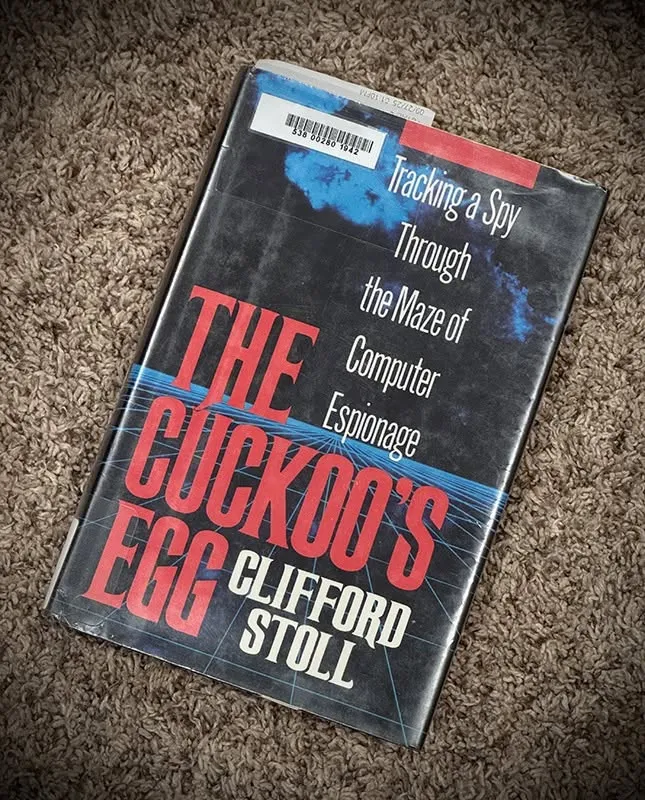
Walking around that library, I found my favorite book: The Cuckoo's Egg: Tracking a Spy Through the Maze of Computer Espionage (1989) by Cliff Stoll. It's the true story of an astronomer-turned-sysadmin who noticed a 75-cent accounting discrepancy and through a technically woven deep-dive rabbit-hole he uncovers an international espionage ring operating through university computer networks. Science/computing/hacking all combined in a page-turning thriller, what more could you want.
That book generated a deep, lasting passion in me to pursue a career in Computer Science. If someone could track a spy across the globe using nothing but a terminal and persistence, then computers weren't just tools — they were instruments of real power and discovery.
The Books That Built Me
Some other instrumental books I read during this period:
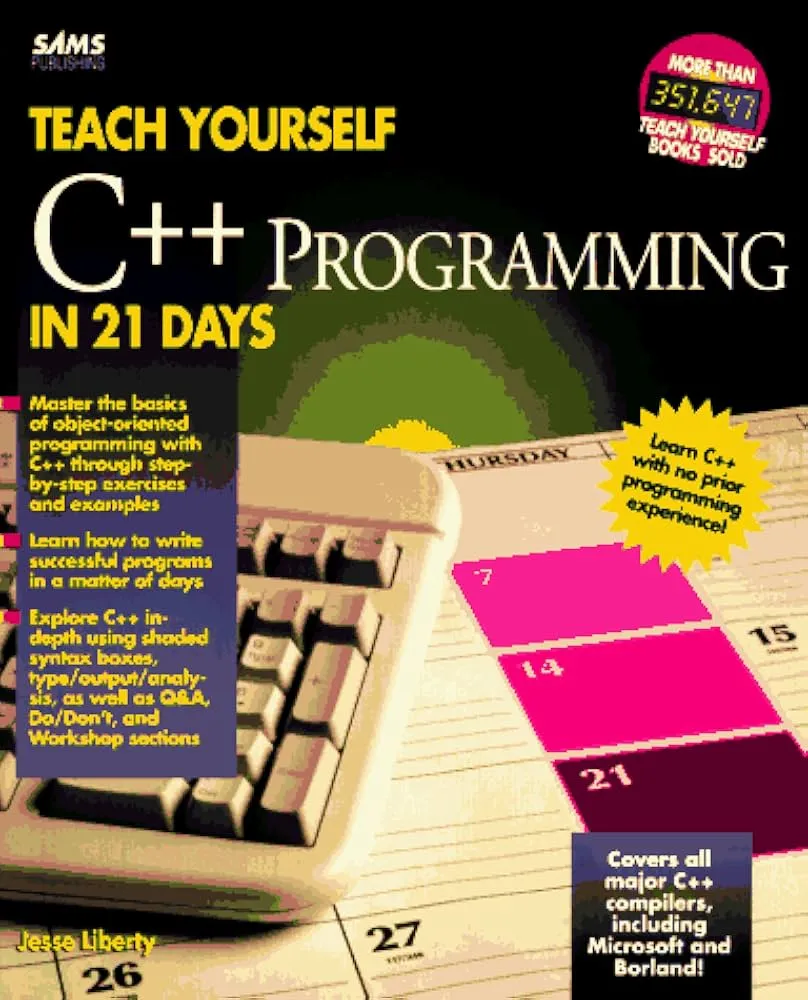
Teach Yourself C++ Programming in 21 Days was my first real exposure to a "serious" programming language. I didn't finish it in 21 days — it took considerably longer — but the idea that I could write programs as complex as those in the book compelled me to see it through.
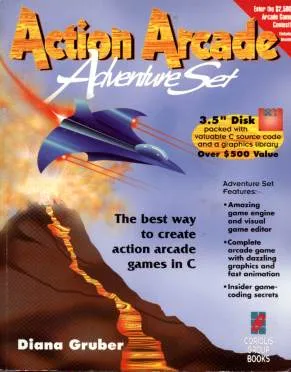
I found Action Arcade Adventure Set at a local bookstore in the Ocean One Mall. It came with a complete framework for building side-scrolling games, and it taught me that games weren't magic — they were code. Code that someone wrote, and code that I could write too.
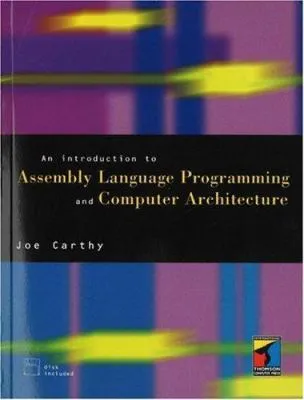
An Introduction to Assembly Language Programming and Computer Architecture by Joe Carthy took me a layer deeper. Past the tidy abstractions of C++ were registers, opcodes, and raw memory addresses — the actual language the processor spoke. With every page I felt like I was getting closer to the silicon, trading the compiler's polite translation for a direct conversation with the machine itself.
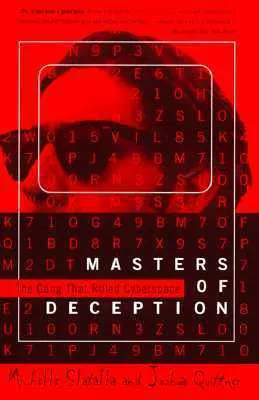
The Masters of Deception: The Gang That Ruled Cyberspace fed the part of me that was fascinated by the underground. The idea that teenagers with modems and attitude could infiltrate phone systems and computer networks — it was equal parts cautionary tale and origin story.
The Gateway
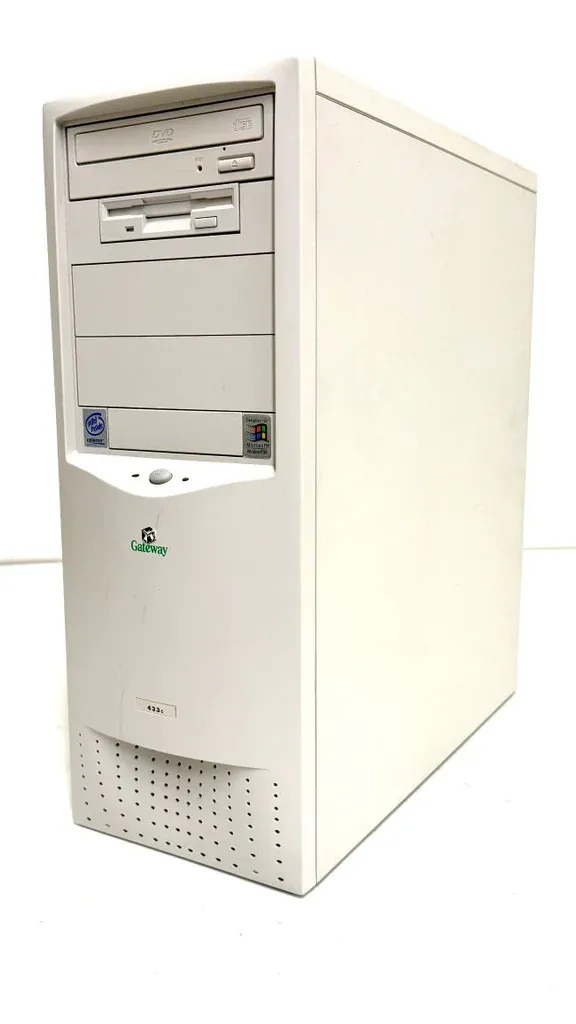
My second computer was a Gateway 2000 with an Intel Pentium processor and, crucially, a CD-ROM drive. This was a huge step in immersive-ness.
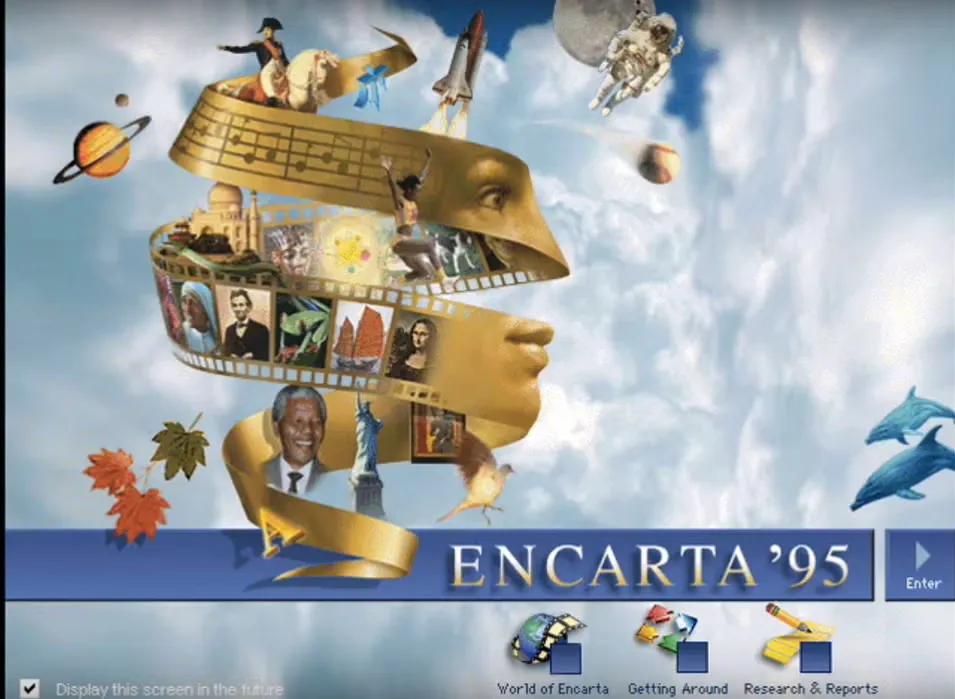
It came bundled with Microsoft Encarta on CD, and I lost hours exploring it. I remember watching grainy footage of Neil Armstrong stepping onto the moon, narrated with a reverence that made the tiny QuickTime window feel like an IMAX screen. An entire encyclopedia on a single disc — the entire library was now mere mouse-clicks away.
We're Online
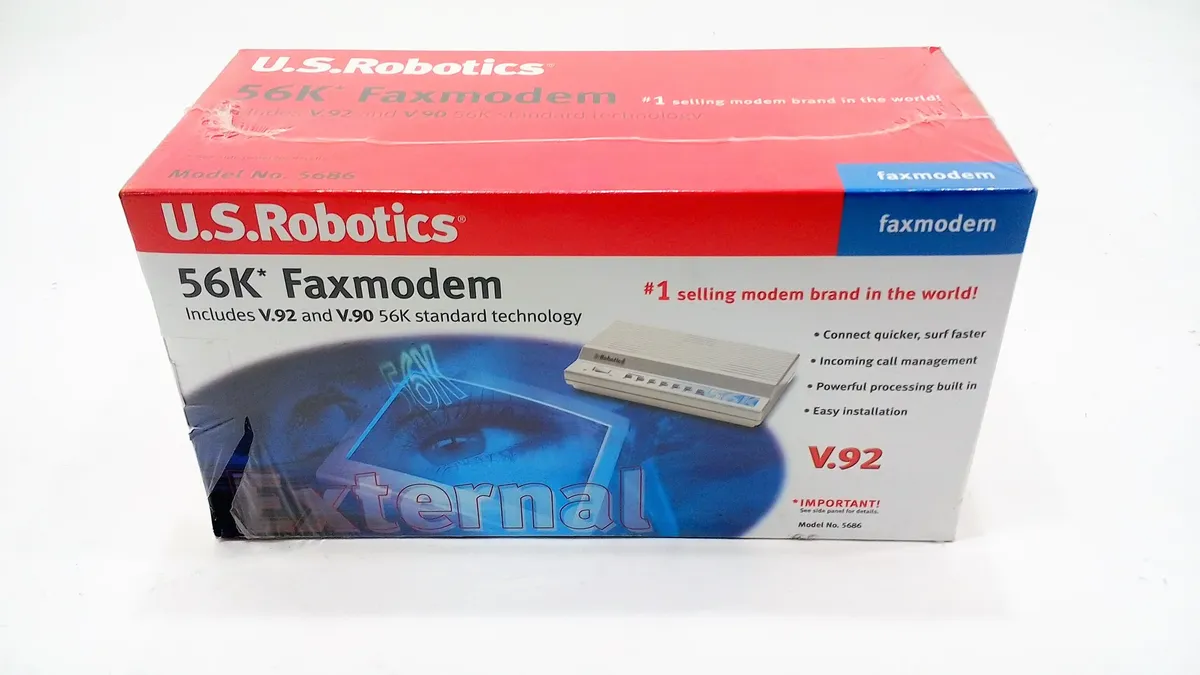
Soon I realized I needed a modem. The computer was powerful, but it was isolated. I wanted to connect. Off to RadioShack I went to obtain a US Robotics 56k modem — the red and blue box that promised to get me connected. I still remember the long walk from Duck Town Atlantic City to the RadioShack all the way in Ventnor heights. The walk took a while, but the walk back felt like it took even longer, I couldn't wait to hook up my new hardware and get online.
I was hooked. I could dial into the library's Dynix system and poke around. It didn't offer much functionality, but it didn't matter — I was accessing a computer somewhere else through a phone line. That abstraction was thrilling.
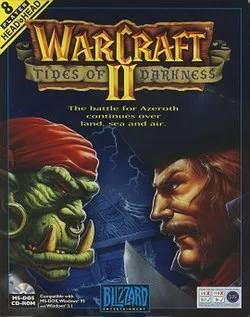
With my new modem I could now play Warcraft II remotely with a friend. The battles we had we're some of my best memories. Long games often broken up by a family members phone call or some glitch, we would lose track of time and play for hours.
America Online - ICQ
America Online came next. I forget exactly how I received my first copy — it may have been from my one friend, who was also into computers and had already signed up for an account. AOL disks were everywhere in the mid-90s, stuffed into magazines, arriving unsolicited in the mail, practically falling from the sky. But that first one felt special. It was a ticket to a world I'd only read about.
Around this time I also discovered ICQ, the instant messenger. Everyone got unique ID number you'd swap like a phone number, with the lowest numbers worn as a badge of early-adopter honor. The instant a message landed, ICQ let out its unmistakable uh-oh!, a sound permanently seared into anyone who was online in the late 90s. Between the green flower blinking in the system tray, the away messages, and the little rush of watching a friend's name light up as they came online, ICQ made the internet feel less like a library and more like a place where my friends actually hung out.
Philadelphia College Tour - Circuit City Expedition
I took an Amtrak train from Atlantic City to Philadelphia with a friend to visit Saint Joseph's University. But the real side quest that day was Circuit City. We were on a mission to procure Final Fantasy VII for PC, along with a Diamond Monster 3D graphics card (powered by the legendary 3Dfx Voodoo chipset) and a Creative Sound Blaster 16 audio card.
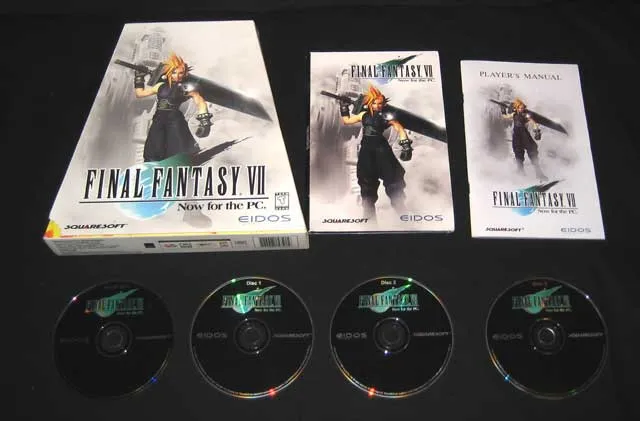
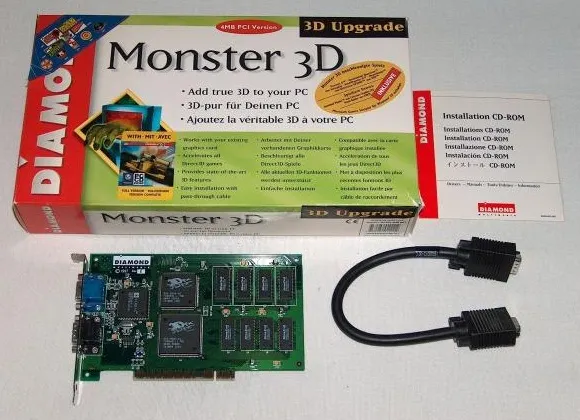
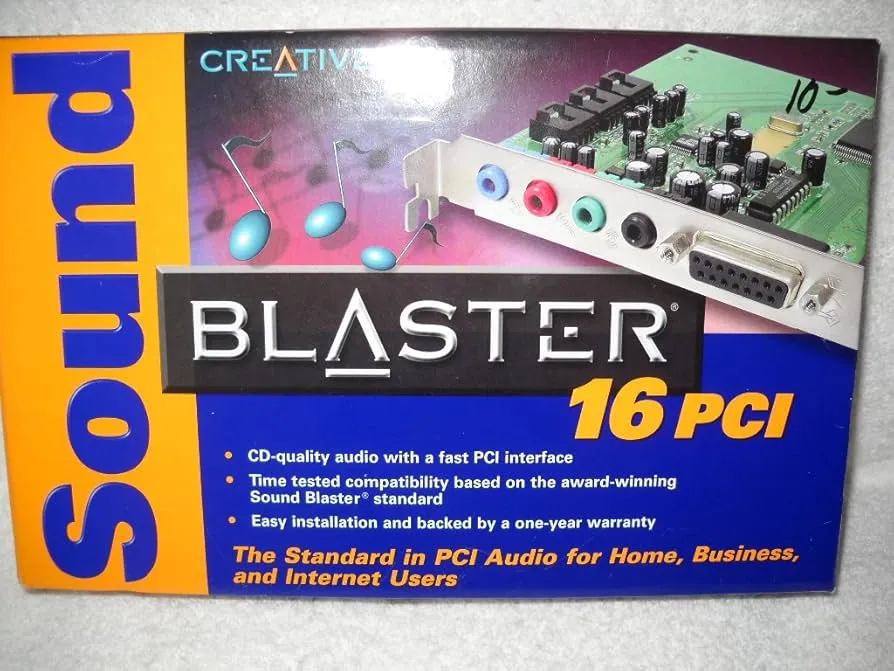
I was able to install them both thanks to some newfound hardware knowledge. Cracking open the case, seating the cards into PCI slots, running the driver disks — it felt like surgery. When Final Fantasy VII's opening cinematic played with actual 3D-accelerated graphics and real audio, the entire trip had been worth it.
The Deep End
I went into flow state researching my newfound passion. I became an avid reader of TextFiles.com, 2600: The Hacker Quarterly, Linux Format, Popular Electronics, Nuts & Volts, and BYTE magazine. Each one peeled back another layer of how the digital world worked — from phone phreaking to kernel hacking to soldering circuits.
One file in particular stuck with me: So you wanna be a HACKER huh? It's a state-of-MIND!, a rambling all-caps manifesto that framed hacking not as breaking in, but as a way of thinking. Its advice was simple and relentless: RTFM, master assembly and electronics, spend four hours a day at it, and understand that fixing a squeaky clothes dryer and patching kernel code are fundamentally the same act. It read less like a tutorial and more like a dare — and I took it.
Two movies from this era were particularly influential:
Jurassic Park (1993) The scene where Lex says "It's a UNIX system! I know this!" was the first time I'd ever seen someone like me on screen. Hackers (1995) was pure fantasy, but it captured the feeling of the culture perfectly — the irreverence, the curiosity, the sense that the people who understood these machines understood something fundamental about the world.
Places to be
A few places that fed the obsession:
- The Cyberplant in Hammonton, NJ — a LAN center where I spent marathon sessions playing Quake and other games, experimenting with an assembly language line drawing program using Mode 13h, and eating some amazing Chinese food. Writing pixels straight to video memory at segment A000 still rings a bell to this day.
- MarketPro Computer Show and Fair — warehouse event where vendors sold components, cables, and software from folding tables
- Tri-State Computer Show — another treasure trove of parts, shareware CDs, and the unmistakable smell of new electronics
1999
By the end of the decade, I was reading Neal Stephenson's In the Beginning was the Command Line and preparing to leave for Philadelphia University. College brought 100MB internet, and with it came a whole new era: IRC, peer-to-peer file sharing, Audiogalaxy, my first real encounters with viruses, and a copy of Windows 2000 Datacenter Edition that had no business being on a college student's machine.
I started making regular trips to Microcenter, and the cycle that began with a Tandy 1000 in Atlantic City continued to accelerate.
But that's a story for another post.
 Written with AI assistance. AI icon by Flaticon.